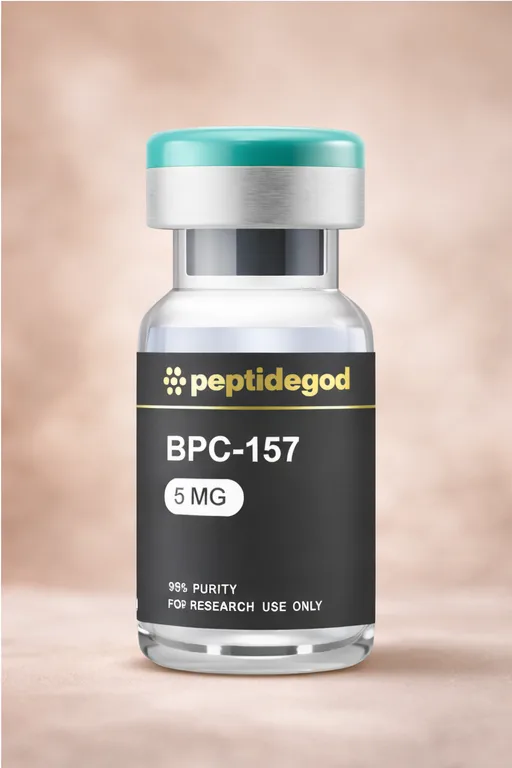
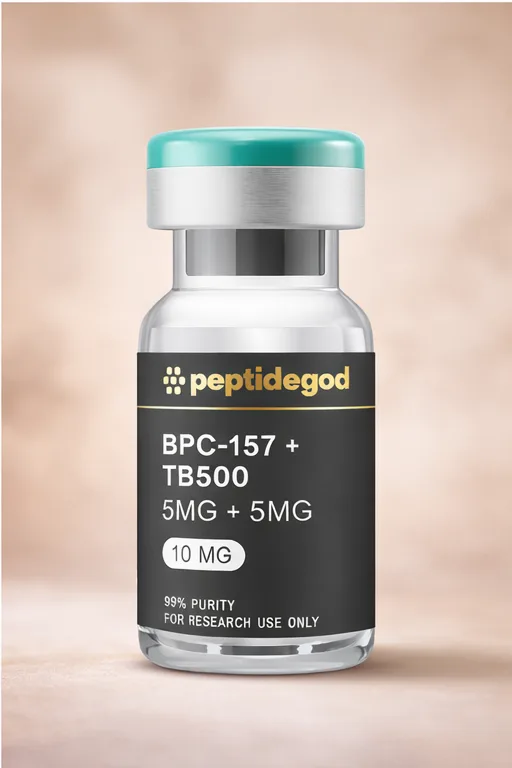
The Ultimate Guide to BPC-157 Benefits for Healing and Recovery
What Is BPC-157?
BPC-157 is a synthetic pentadecapeptide composed of 15 amino acids, derived from a naturally occurring protein found in human gastric juice. Its full name is Body Protection Compound-157, and it has been the subject of extensive preclinical research since the 1990s. Unlike many peptides that degrade rapidly in the bloodstream, BPC-157 demonstrates notable stability in both gastric and systemic environments, which has made it a compelling subject for researchers studying tissue repair and regenerative biology. Studies conducted primarily in rodent models have examined its effects on musculoskeletal tissue, the gastrointestinal tract, the nervous system, and vascular structures.
Musculoskeletal and Soft Tissue Repair
Among the most studied bpc-157 benefits is its apparent capacity to accelerate the healing of tendons, ligaments, and muscle tissue. Research published in peer-reviewed journals has shown that BPC-157 upregulates the expression of growth hormone receptors in tendon fibroblasts, suggesting a mechanism by which it may amplify the body's natural repair signaling. In animal models, administration of the peptide following surgically induced Achilles tendon transection resulted in measurably faster tissue remodeling compared to controls.
Beyond tendons, studies have examined its role in bone healing and cartilage integrity. Rodent models involving segmental bone defects showed increased rate of bridging callus formation in groups receiving BPC-157, pointing toward an osteogenic influence. The peptide also appears to interact with nitric oxide pathways, which play a central role in local inflammation regulation and blood flow to injured tissue.
Gastrointestinal Healing and Gut Protection
BPC-157 was originally isolated from gastric juice, and its effects on gastrointestinal tissue represent some of the most robust data in the literature. Research has demonstrated protective and regenerative effects across a range of gut injury models, including those involving NSAID-induced ulceration, inflammatory bowel conditions, and intestinal fistulas. The peptide appears to promote angiogenesis in the gut lining, stimulating the formation of new blood vessels that support mucosal repair.
In models of colitis and short bowel syndrome, BPC-157 administration was associated with improved intestinal epithelial integrity and reduced inflammatory cytokine expression. These findings are particularly relevant given the growing research interest in gut-brain connectivity and the role of intestinal barrier function in systemic health.
Neurological and Systemic Effects
Preclinical research has explored bpc-157 benefits extending into the central and peripheral nervous systems. Animal studies have examined its potential role in nerve regeneration following crush injuries, with results suggesting axonal regrowth may be enhanced through modulation of neurotrophic signaling. There is also a body of work examining its interaction with dopaminergic and serotonergic pathways, with some studies finding modulatory effects on neurotransmitter balance under stress or toxin-induced conditions.
Researchers have also observed systemic anti-inflammatory effects, which may underlie multiple tissue-specific outcomes. BPC-157 appears to counteract some of the damaging effects of corticosteroid exposure on tendon tissue and has been studied in the context of alcohol toxicity and cardiovascular stress models.
Mechanisms of Action
Understanding how BPC-157 produces its effects requires looking at several overlapping biological pathways. Key mechanisms identified in preclinical literature include:
- Upregulation of growth hormone receptor expression in target tissues
- Promotion of angiogenesis through vascular endothelial growth factor modulation
- Interaction with nitric oxide synthesis pathways to influence local blood flow
- Modulation of inflammatory cytokines including TNF-alpha and interleukins
- Activation of FAK-paxillin signaling involved in cellular migration and tissue remodeling
Research Considerations and Current Status
While the preclinical data supporting bpc-157 benefits is extensive, it is important to note that the vast majority of studies have been conducted in rodent models. Controlled human clinical trials remain limited, and BPC-157 is not approved by the FDA or similar regulatory bodies for therapeutic use. It is classified as a research compound and is studied in laboratory and investigational settings. Researchers and institutions working with this peptide do so within frameworks governed by institutional review and applicable research regulations.
The peptide is generally administered via subcutaneous injection or orally in research models, with stability profiles differing between delivery routes. Ongoing research continues to examine optimal dosing windows, tissue-specific bioavailability, and long-term safety profiles in animal models as a prerequisite for future translational work.
 30 capsules.webp)
 60 capsules.webp)