Exploring the BPC-157 Benefits for Gut Health and Digestion
What Is BPC-157 and Why Researchers Study It
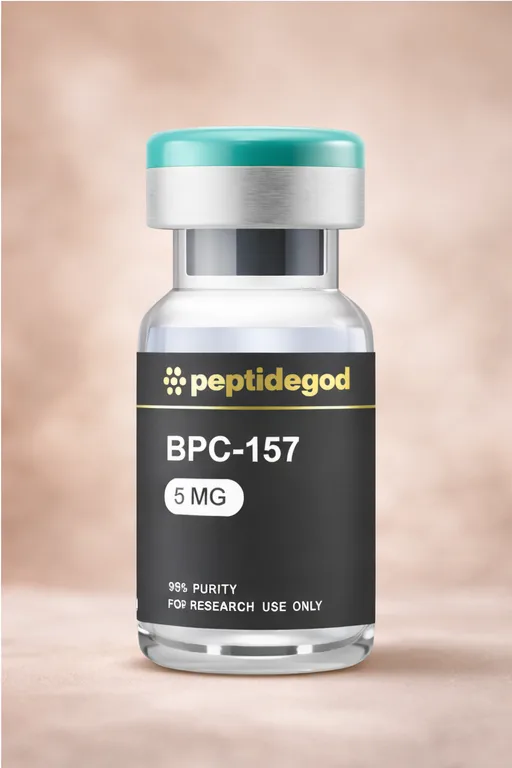
BPC-157, short for Body Protection Compound-157, is a synthetic pentadecapeptide composed of 15 amino acids. It was derived from a naturally occurring protein found in human gastric juice, which gives it a particular relevance to gastrointestinal research. Unlike many peptides studied in isolation, BPC-157 was identified specifically within the context of the stomach's own protective mechanisms, making its application to gut health a logical focus for researchers investigating tissue integrity and mucosal defense.
Preclinical studies have examined BPC-157 across a wide range of gastrointestinal conditions, from ulceration and inflammatory bowel disease models to intestinal anastomosis repair and fistula healing. The compound appears to interact with several biological pathways simultaneously, which has made it a subject of sustained scientific interest rather than a narrowly targeted molecule.
Mucosal Protection and Ulcer Research
One of the most consistently documented areas in BPC-157 preclinical research is its apparent ability to protect and restore the gastrointestinal mucosa. Animal studies have shown that BPC-157 administration accelerates healing in models of gastric ulcers induced by ethanol, NSAIDs, and stress. The peptide appears to stimulate angiogenesis — the formation of new blood vessels — in damaged mucosal tissue, which is a critical step in restoring the structural integrity of the stomach lining.
Researchers have also noted that BPC-157 seems to upregulate the expression of growth hormone receptors in gut tissue, potentially amplifying the regenerative signaling that normally governs wound repair. This interaction with the growth hormone axis may partly explain why the peptide shows activity across such a broad range of tissue types, including those in the digestive tract.
Inflammatory Bowel Conditions in Animal Models
Several studies have explored BPC-157 in rodent models of inflammatory bowel disease, including conditions resembling Crohn's disease and ulcerative colitis. In these models, the peptide has been observed to reduce histological damage to intestinal tissue, lower markers of oxidative stress, and modulate inflammatory cytokine activity. Specifically, research has pointed to reductions in tumor necrosis factor-alpha and interleukin-6 levels following BPC-157 administration, both of which play central roles in intestinal inflammation.
The bpc-157 benefits observed in these inflammatory models appear linked to the peptide's influence on the nitric oxide system. BPC-157 is thought to interact with nitric oxide signaling pathways in ways that promote vascular stability and tissue perfusion in inflamed segments of bowel, helping to maintain local blood flow during periods of immune-driven tissue stress.
Intestinal Anastomosis and Fistula Healing
Research has also investigated BPC-157 in the context of intestinal anastomosis — the surgical rejoining of bowel segments — and gastrointestinal fistula repair. In surgical animal models, BPC-157 treatment has been associated with stronger anastomotic healing and reduced rates of leakage, which are key metrics in assessing post-surgical tissue repair. The peptide's apparent ability to accelerate collagen synthesis and fibroblast migration in gut tissue may account for these findings.
Fistula models, which involve abnormal tract formation between intestinal segments or between the gut and other organs, have similarly shown favorable outcomes with BPC-157 in preclinical settings. These results are notable because fistula healing is notoriously difficult to achieve through conventional means, and the consistency of BPC-157's effects across multiple wound-healing models has kept it relevant in peptide research literature.
Gut-Brain Axis and Motility Considerations
Beyond structural repair, some research has pointed toward BPC-157's potential influence on gut motility and the gut-brain axis. Animal studies have documented effects on serotonin and dopamine systems, both of which play regulatory roles in intestinal movement and the enteric nervous system. Dysregulation of gut motility is a feature of numerous digestive disorders, and the peptide's apparent interaction with neurotransmitter pathways adds another dimension to the broader bpc-157 benefits being studied.
- Modulation of serotonin pathways involved in intestinal peristalsis
- Influence on dopaminergic signaling relevant to gut-brain communication
- Reduction of intestinal inflammation markers in colitis models
- Acceleration of mucosal healing in ulcer and wound models
- Promotion of angiogenesis in damaged gastrointestinal tissue
It is important to note that all findings discussed here derive from preclinical animal research. BPC-157 has not been approved by regulatory agencies for human therapeutic use, and no clinical trials have yet confirmed these mechanisms or outcomes in humans. This article is intended for informational and research purposes only and does not constitute medical advice. Individuals should consult qualified healthcare professionals before considering any peptide-related inquiry in a clinical context.
 30 capsules.webp)
 60 capsules.webp)