Oral vs. Injectable: Which BPC-157 Benefits Are Better?
Understanding BPC-157 Administration Routes
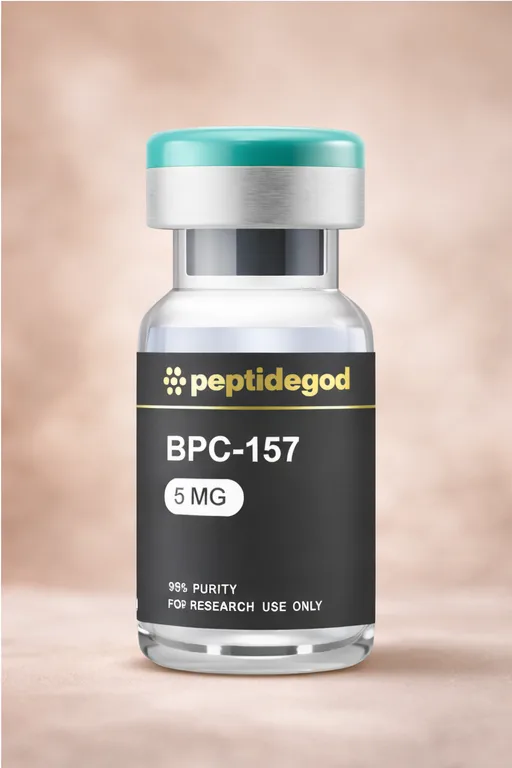
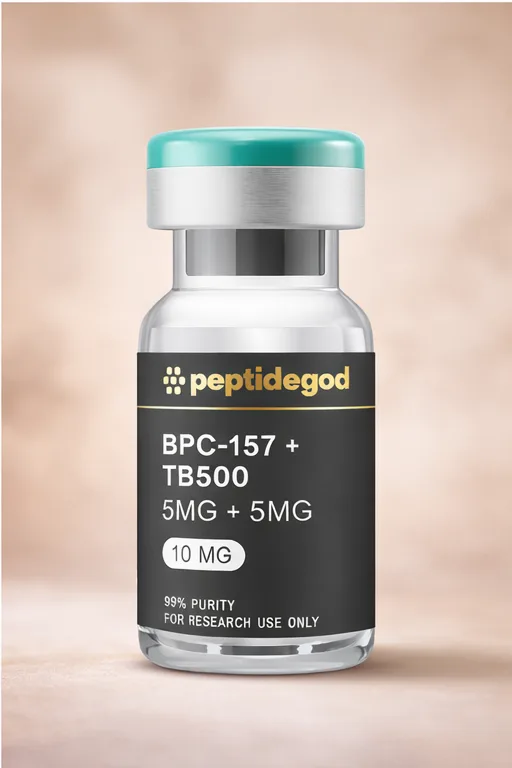
BPC-157, a synthetic pentadecapeptide derived from a protective protein found in gastric juice, has attracted significant research interest for its tissue-repair and cytoprotective properties. As researchers and wellness communities explore this compound, one question consistently emerges: does the route of administration meaningfully change the outcomes? The answer is nuanced. Both oral and injectable forms deliver the peptide to the body, but they interact with different physiological systems along the way, producing overlapping yet distinct profiles of activity.
How Injectable BPC-157 Works in Research Models
Subcutaneous and intramuscular injection routes allow BPC-157 to enter systemic circulation with minimal degradation. Because the peptide bypasses the gastrointestinal tract, it reaches target tissues throughout the body at relatively consistent concentrations. Research in rodent models has repeatedly shown that injectable BPC-157 promotes angiogenesis — the formation of new blood vessels — at sites of musculoskeletal injury. This vascular response is thought to underlie the accelerated tendon-to-bone healing observed in animal studies involving transected Achilles tendons and surgically damaged ligaments.
Injectable administration has also been the primary route used in studies examining systemic effects such as modulation of the nitric oxide system, interaction with dopaminergic and serotonergic pathways, and neuroprotective activity following traumatic brain injury in animal models. Because these effects depend on the peptide reaching tissues beyond the gut wall, injection provides the most direct delivery mechanism for researchers investigating systemic bpc-157 benefits.
How Oral BPC-157 Works in Research Models
The oral route presents a different pharmacological picture. BPC-157 is a peptide, which means it faces enzymatic breakdown in the stomach and small intestine. Despite this, a substantial body of animal research — much of it originating from the laboratory of Dr. Predrag Sikiric at the University of Zagreb — has demonstrated measurable effects even when the peptide is administered orally or dissolved in drinking water. This resilience is attributed partly to BPC-157's origin as a fragment of a body protection compound naturally found in gastric secretions, suggesting it may possess intrinsic stability in the GI environment.
Oral administration appears particularly well-suited to conditions affecting the gastrointestinal tract itself. Studies in rodents have reported accelerated healing of esophageal lesions, gastric ulcers, colitis-induced mucosal damage, and fistulas following oral dosing. The local concentration of the peptide at the site of injury is highest when that site is the gut lining, which explains why oral delivery may actually outperform injection for GI-specific applications. Researchers investigating inflammatory bowel conditions frequently opt for oral or intragastric delivery in their protocols for this reason.
Comparing Target Tissues and Likely Efficacy
Choosing between routes depends heavily on the tissue system under investigation. The following breakdown reflects patterns consistently observed across preclinical literature:
- Tendons, ligaments, and bone interfaces: Injectable routes show stronger evidence for structural repair and collagen remodeling at peripheral sites.
- Muscle tissue: Both routes have demonstrated protective effects, though injectable delivery shows more consistent results in models of crush injury and ischemia-reperfusion damage.
- Gastrointestinal mucosa: Oral administration shows equivalent or superior outcomes for ulceration, colitis, and gut permeability disruption.
- Central nervous system: Injectable routes are better studied for neuroprotection, with documented effects on brain lesion size and neurotransmitter balance in rodent models.
- Systemic inflammation: Both routes have shown reductions in inflammatory markers, with injection producing more rapid systemic distribution.
Bioavailability and Practical Considerations in Research
Precise bioavailability data for oral BPC-157 in humans does not yet exist, as clinical trials remain limited. Animal pharmacokinetic studies suggest that a meaningful fraction of orally administered peptide survives luminal degradation, though the absorbed fraction reaching systemic circulation appears lower than with injection. Researchers working with injectable preparations typically use doses in the range of 200–400 mcg per kilogram of body weight in rodent studies, while oral protocols often employ similar or slightly higher mass doses to compensate for potential luminal losses.
For researchers designing protocols, the injectable route offers greater control over systemic exposure, while oral administration simplifies delivery logistics and reduces tissue disruption at the administration site. Neither route has been validated in human clinical trials at sufficient scale to make definitive efficacy comparisons, which is a critical limitation that any responsible discussion of bpc-157 benefits must acknowledge.
Current Research Gaps and What Studies Still Need to Establish
The comparative literature on oral versus injectable BPC-157 remains almost entirely preclinical. Head-to-head studies directly comparing the two routes in the same injury model, at the same dose, in the same species are relatively rare. Most studies test one route in isolation, making cross-study comparisons imprecise due to differences in animal strains, injury severity, dosing schedules, and outcome measures. Future research using standardized protocols across both routes would significantly clarify which administration method maximizes specific outcomes. Until that data exists, route selection in research contexts should be guided by the target tissue, the logistical constraints of the study design, and the specific mechanistic questions under investigation.
 30 capsules.webp)
 60 capsules.webp)