The Science Behind BPC-157 Benefits: How This Peptide Works
What Is BPC-157?
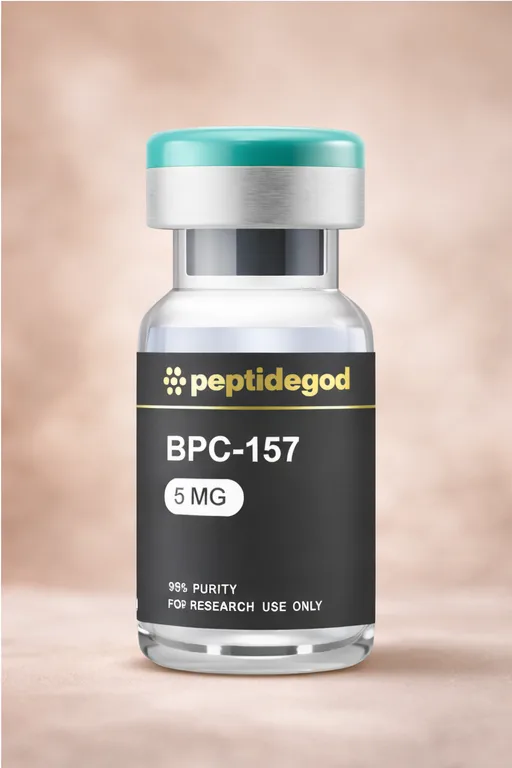
BPC-157 is a synthetic pentadecapeptide composed of 15 amino acids. Its sequence was derived from a naturally occurring protein found in gastric juice, where it appears to play a protective role in the digestive lining. Researchers first isolated and characterized the compound in the 1990s, and since then it has been the subject of numerous preclinical studies examining its effects on tissue repair, inflammation, and systemic healing responses. BPC stands for Body Protection Compound, a name that reflects the broad range of biological activities observed in animal models.
Unlike many peptides that act through a single, well-characterized receptor pathway, BPC-157 appears to engage multiple signaling systems simultaneously. This polymodal activity makes it an interesting subject for researchers studying wound healing and tissue regeneration across different organ systems.
Mechanisms of Action at the Cellular Level
One of the most studied mechanisms behind bpc-157 benefits is its influence on angiogenesis — the formation of new blood vessels. Studies in rodent models show that the peptide upregulates vascular endothelial growth factor (VEGF) and promotes the migration of endothelial cells toward sites of injury. Greater vascular density at a wound site translates into improved oxygen and nutrient delivery, both of which are rate-limiting factors in tissue repair.
BPC-157 also appears to modulate the nitric oxide (NO) system. Nitric oxide is a signaling molecule involved in vasodilation, inflammation regulation, and cellular survival. Research suggests that BPC-157 can interact with NO synthesis pathways in ways that stabilize vascular tone and reduce localized inflammatory signaling without broadly suppressing immune function.
Growth Hormone Receptor Interactions
Another proposed mechanism involves the growth hormone (GH) and growth hormone receptor (GHR) axis. Animal studies have demonstrated that BPC-157 can upregulate GHR expression in tendon fibroblasts. This interaction may help explain the accelerated tendon and ligament healing observed in injured rodents treated with the peptide, as growth hormone signaling is central to collagen synthesis and fibroblast proliferation.
Tissue-Specific Research Findings
Preclinical investigations have examined BPC-157 across a wide range of tissue types. In musculoskeletal research, rat models with surgically transected Achilles tendons showed significantly faster reconnection and load-bearing recovery when treated with BPC-157 compared to controls. Similar results were reported in studies involving muscle crush injuries and bone defects, where the peptide appeared to accelerate both inflammatory resolution and the proliferative phase of healing.
Gastrointestinal research has been particularly active, given the compound's origins in gastric protein. Studies have explored its effects on colitis, gastric ulcers, and intestinal fistulas in animal models. Researchers have observed reduced mucosal damage and faster epithelial regeneration, effects attributed partly to its influence on prostaglandin synthesis and partly to its promotion of new blood vessel growth within the gut wall.
Neurological and Systemic Research
A less intuitive area of BPC-157 research involves the central and peripheral nervous systems. Rodent studies have examined its effects on nerve crush injuries, documenting improved axonal regrowth and functional recovery in treated animals. Some researchers have also investigated its potential in models of traumatic brain injury, where its anti-inflammatory and pro-angiogenic properties may limit secondary damage in the hours following the initial insult.
Systemic studies have looked at organ protection under conditions of induced stress, including ischemia-reperfusion injury — the tissue damage that occurs when blood flow is restored after a period of deprivation. BPC-157 demonstrated protective effects in cardiac and hepatic tissue in these models, though the precise signaling cascade responsible remains an active area of investigation.
Research Status and Considerations
The full scope of bpc-157 benefits documented in preclinical literature is extensive, but it is important to place this research in proper context. The vast majority of studies have been conducted in rodent models using injected or orally administered peptide. Human clinical trials remain limited, meaning that extrapolating animal findings to human physiology requires caution. Dosing, bioavailability, and long-term safety profiles in humans have not been established through controlled clinical research.
Researchers and institutions studying BPC-157 typically source it as a research-grade compound intended for laboratory investigation. The peptide is not approved by regulatory agencies such as the FDA for therapeutic use in humans. Any consideration of BPC-157 outside a formal research context should be approached with an understanding of these regulatory and evidentiary limitations. The information presented here is for educational purposes and does not constitute medical advice.
- BPC-157 is a 15-amino-acid synthetic peptide derived from a gastric protein fragment
- Preclinical studies show effects on angiogenesis, nitric oxide signaling, and growth hormone receptor expression
- Tissue research spans musculoskeletal, gastrointestinal, and neurological systems
- Human clinical data is limited; the compound is not approved for therapeutic use
- Active research continues into its mechanisms and systemic protective properties
 30 capsules.webp)
 60 capsules.webp)