BPC-157 Benefits vs. Side Effects: Is It Safe to Use?
What Is BPC-157?
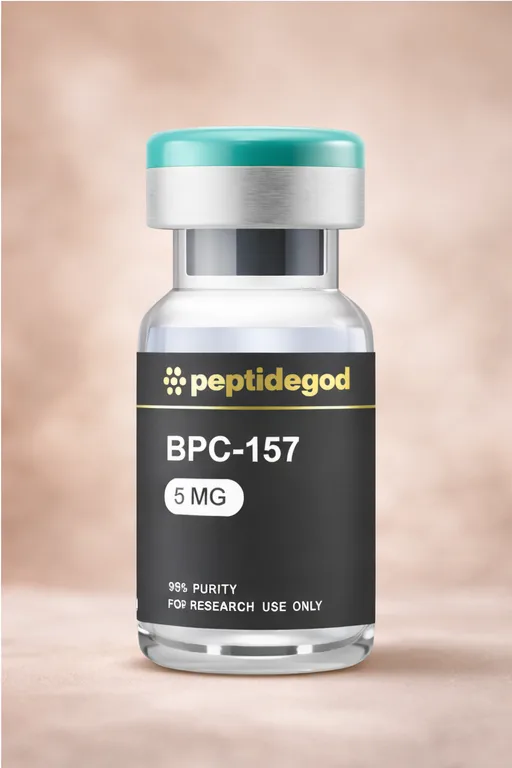
BPC-157, short for Body Protection Compound-157, is a synthetic pentadecapeptide composed of 15 amino acids. It is derived from a naturally occurring protein found in human gastric juice. Unlike many research peptides, BPC-157 is remarkably stable in gastric acid, which has made it a subject of interest in both oral and injectable administration studies. Researchers first began investigating it in the 1990s, primarily in rodent models, and the body of preclinical literature has grown substantially since then. It is not approved by the FDA as a drug and remains classified as a research compound.
BPC-157 Benefits Observed in Preclinical Research
The range of bpc-157 benefits studied in animal models is broad, spanning musculoskeletal repair, neurological protection, and gastrointestinal healing. Most findings come from in vivo rodent studies rather than human clinical trials, which is an important distinction researchers must keep in mind when evaluating the data.
Tissue and Tendon Repair
Some of the most replicated findings involve accelerated healing of tendons, ligaments, and muscle tissue. Studies published in peer-reviewed journals have shown that BPC-157 upregulates growth hormone receptor expression at the site of injury and promotes the formation of new blood vessels through an angiogenic mechanism involving nitric oxide pathways. In rat models with surgically severed Achilles tendons, groups treated with BPC-157 demonstrated faster functional recovery and increased collagen organization compared to controls.
Gastrointestinal Healing
Given its origin in gastric protein, it is not surprising that BPC-157 shows strong activity in gut tissue. Rodent studies have documented protective effects against ethanol-induced gastric lesions, NSAID-induced intestinal damage, and inflammatory bowel conditions. The peptide appears to modulate the expression of several cytokines involved in gut inflammation and may stabilize the intestinal epithelial lining. This profile makes it a point of ongoing interest for researchers studying gut permeability and inflammatory GI conditions.
Neurological and Systemic Effects
Animal research also suggests that BPC-157 may influence dopamine and serotonin activity in the brain, and some studies have explored its potential in models of depression, traumatic brain injury, and drug-induced neurological damage. The proposed mechanism involves modulation of the nitric oxide system and interaction with growth factor pathways, though the full picture remains incomplete without human data.
Known and Potential Side Effects
Because human clinical trials for BPC-157 are extremely limited, the side effect profile in people is not well characterized. The preclinical safety data in rodents is generally favorable, with most animal studies reporting no significant toxicity at the doses used. However, extrapolating animal safety data to humans is inherently uncertain.
Potential concerns flagged by researchers include:
- Stimulation of angiogenesis, which could theoretically be problematic in individuals with existing tumors or precancerous conditions, since new blood vessel formation can support tumor growth
- Hormonal interactions are not fully mapped; effects on growth hormone receptor sensitivity could have systemic downstream consequences
- Injection-site reactions such as redness, swelling, or discomfort are possible with subcutaneous or intramuscular administration
- Unknown long-term effects, since no multi-year human safety studies exist
- Quality and purity variability in research-grade sources, which introduces additional unpredictability
The absence of reported adverse events in short-term animal studies is encouraging but does not constitute a confirmed safety profile for human use. Researchers handling this compound should treat it accordingly.
How BPC-157 Is Studied: Routes and Doses
In preclinical literature, BPC-157 has been administered via intraperitoneal injection, subcutaneous injection, intragastric gavage, and drinking water. Effective doses in rodent studies typically fall in the range of 1 to 10 micrograms per kilogram of body weight, though dosing protocols vary considerably across studies. Oral administration appears effective for systemic and GI outcomes in animals, which is notable given that most peptides degrade rapidly in the digestive tract. Researchers attribute BPC-157's oral stability to its resistance to enzymatic breakdown.
Current Research Limitations and Outlook
The primary limitation in evaluating bpc-157 benefits is the near-total absence of randomized human trials. The existing evidence base, while substantial for a research peptide, consists almost entirely of animal models. Translating these findings to human physiology requires controlled clinical studies that have not yet been completed or published. Several researchers have called for phase I safety trials to at least establish human pharmacokinetics and a preliminary adverse-event profile.
Until that data exists, BPC-157 remains a compound of significant research interest rather than a validated therapeutic. Anyone working with it should do so within a proper research context, with appropriate ethics oversight, and with a clear understanding that all current findings are preclinical. This article is intended for informational purposes only and does not constitute medical advice.
 30 capsules.webp)
 60 capsules.webp)