BPC-157 Benefits for Joint Pain, Arthritis, and Inflammation
What Is BPC-157 and Why Researchers Study It
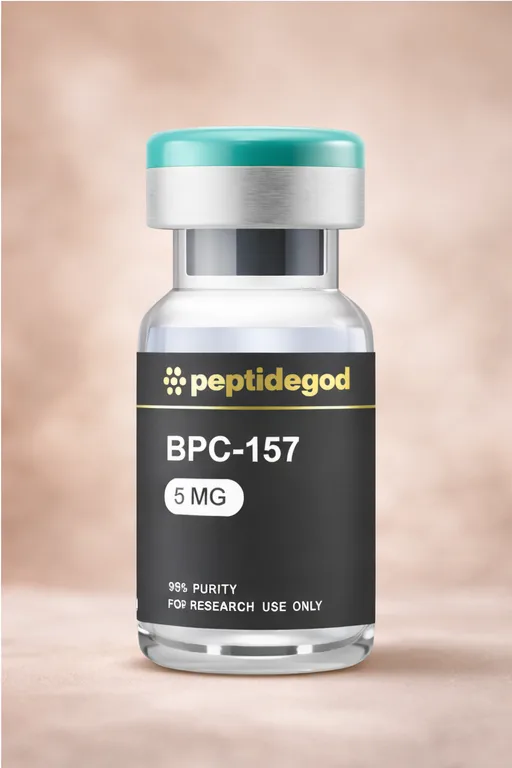
BPC-157 is a synthetic pentadecapeptide composed of 15 amino acids, derived from a naturally occurring protective protein found in gastric juice. First isolated and characterized in the 1990s, it has since attracted significant attention in preclinical research for its remarkable tissue-repair properties. Unlike many compounds that act on a single pathway, BPC-157 appears to engage multiple biological mechanisms simultaneously, making it a subject of particular interest for musculoskeletal and inflammatory conditions. Research to date has been conducted primarily in rodent models, with studies examining tendon, ligament, bone, and cartilage repair across a wide range of injury types.
Mechanisms Behind Joint and Cartilage Protection
One of the central findings in BPC-157 research is its influence on growth factor signaling. Studies have shown that it upregulates the expression of growth hormone receptors in tendon fibroblasts and stimulates vascular endothelial growth factor (VEGF), a key driver of angiogenesis — the formation of new blood vessels. In joint tissue, poor vascularization is a recognized barrier to healing. By promoting blood vessel ingrowth, BPC-157 may help restore the nutrient supply that damaged cartilage and synovial membranes require to regenerate.
Additionally, research has pointed to BPC-157's interaction with the nitric oxide system. Nitric oxide plays a dual role in joint physiology: at low concentrations it supports tissue homeostasis, while chronically elevated levels contribute to cartilage breakdown in osteoarthritis. Preclinical data suggests BPC-157 may help modulate this balance, protecting chondrocytes — the cells responsible for maintaining cartilage — from oxidative stress-driven apoptosis.
Anti-Inflammatory Effects in Musculoskeletal Research
Inflammation is the common denominator across most joint disorders, from post-injury swelling to the chronic synovitis seen in rheumatoid arthritis. Several animal studies have examined bpc-157 benefits specifically in inflammatory models, finding reductions in pro-inflammatory cytokine activity, including interleukin-6 and tumor necrosis factor-alpha. These cytokines are central drivers of joint destruction in autoimmune arthritis, and their suppression is the target of many current pharmaceutical interventions.
In one frequently cited study using a rat model of collagen-induced arthritis, BPC-157 administration was associated with measurable reductions in joint swelling and histological markers of synovial inflammation. Researchers noted preserved cartilage architecture in treated animals compared to controls, suggesting a potential chondroprotective effect beyond simple symptom management. These results remain preliminary and have not been replicated in human clinical trials, but they provide a basis for ongoing investigation.
Tendon and Ligament Healing Relevant to Joint Stability
Joint pain frequently originates not in the cartilage itself but in the surrounding tendons and ligaments that maintain structural integrity. BPC-157 has been studied extensively in tendon-transection and ligament-rupture models. Across multiple studies, treated animals demonstrated accelerated collagen fiber organization, faster return of tensile strength, and improved gross anatomical healing compared to untreated controls.
The peptide appears to act partly through the FAK-paxillin pathway, which regulates cell migration and adhesion during tissue repair. Fibroblasts — the primary cells that rebuild connective tissue — show increased migratory activity in the presence of BPC-157, potentially explaining the faster closure of tendon defects observed in animal studies. For researchers interested in joint-adjacent tissue recovery, this mechanism is considered one of the more reproducible bpc-157 benefits documented in the literature.
Key Areas of Ongoing Research
Current preclinical investigations are exploring several specific applications related to joint health:
- Osteoarthritis progression and cartilage matrix preservation under mechanical load
- Post-surgical adhesion reduction following intra-articular procedures
- Rotator cuff and ACL healing timelines in rodent transection models
- Interaction with COX-2 pathways and non-steroidal anti-inflammatory drug metabolism
- Potential synergy with platelet-rich plasma in tendon repair protocols
No large-scale human clinical trials have been completed as of this writing, and BPC-157 is not approved by any major regulatory agency for therapeutic use. All research discussed here reflects animal and in vitro data. The full scope of bpc-157 benefits in human joint disease remains to be established through rigorous clinical investigation. This article is intended for informational and research purposes only and does not constitute medical advice.
 30 capsules.webp)
 60 capsules.webp)