Beyond Healing: The Anti-Aging and Systemic BPC-157 Benefits
What Makes BPC-157 Different From Other Repair Peptides
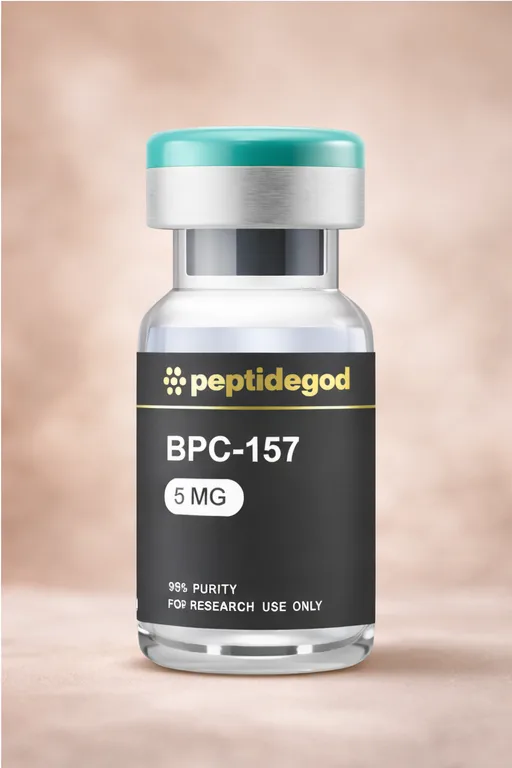
Body Protection Compound-157 is a synthetic pentadecapeptide consisting of 15 amino acids, derived from a protein sequence naturally found in human gastric juice. While most research into BPC-157 initially focused on its remarkable ability to accelerate wound closure and tendon repair, investigators have since identified a much broader biological profile. Unlike many peptides that act on a single receptor pathway, BPC-157 appears to modulate several signaling cascades simultaneously — including nitric oxide synthesis, vascular endothelial growth factor (VEGF) expression, and the FAK-paxillin pathway involved in cell migration. This multi-target activity is precisely what distinguishes the full scope of bpc-157 benefits from the tissue-specific effects of other research compounds.
Systemic Vascular and Cardiovascular Effects
One of the most studied systemic bpc-157 benefits involves the cardiovascular system. Preclinical research demonstrates that the peptide promotes angiogenesis — the formation of new blood vessels — by upregulating VEGF and activating nitric oxide synthase (eNOS). Improved vascular density and endothelial function have downstream effects that extend far beyond injury sites, potentially supporting organ perfusion and reducing markers of oxidative stress in vascular tissue.
In animal models of experimentally induced heart failure and arrhythmia, BPC-157 administration has been associated with preserved cardiac output and reduced ischemic damage. Researchers attribute this partly to the peptide's ability to maintain collateral circulation under hypoxic conditions. These findings have generated interest in BPC-157 as a candidate for studying vascular aging, where diminished microcirculation contributes to tissue deterioration across multiple organ systems.
Neuroprotective Properties and Brain Health
The brain represents one of the more unexpected targets in BPC-157 research. Studies in rodent models have shown the peptide counteracts dopaminergic and serotonergic dysfunction, with particular relevance to models of traumatic brain injury, stroke, and neuroinflammation. BPC-157 appears to stabilize dopamine receptor sensitivity and modulate GABAergic activity, which has led researchers to explore its role in mood regulation and cognitive resilience.
Age-related neurodegeneration is partly driven by chronic neuroinflammation and declining neurotrophic factor activity. BPC-157 has been shown to upregulate brain-derived neurotrophic factor (BDNF) expression in some experimental contexts, suggesting a mechanism through which it may support neuronal survival and synaptic plasticity — both of which decline measurably with age. While human clinical trials remain limited, these preclinical signals position the compound as a serious subject of study in the anti-aging neuroscience space.
Gut-Brain Axis and Systemic Inflammation
Because BPC-157 originates from gastric protein, its effects on the gastrointestinal tract are among the most robustly documented in the literature. Beyond healing ulcers and fistulas, the peptide has demonstrated the ability to restore gut barrier integrity, reduce intestinal permeability, and modulate the enteric nervous system. These mechanisms are directly relevant to systemic aging, as increased gut permeability — sometimes called "leaky gut" — is consistently associated with elevated systemic inflammatory markers in older populations.
Chronic low-grade inflammation drives cellular senescence, accelerates tissue degradation, and impairs immune surveillance. By reinforcing the intestinal barrier and reducing translocation of endotoxins like lipopolysaccharide (LPS) into systemic circulation, BPC-157 may blunt one of the primary upstream drivers of inflammaging — the inflammatory phenotype associated with biological aging.
Key Systemic Effects Under Research Investigation
- Promotion of angiogenesis and endothelial repair through VEGF and eNOS pathways
- Neuroprotection and potential BDNF upregulation in central nervous system tissue
- Restoration of gut barrier integrity and reduction of systemic LPS translocation
- Modulation of dopaminergic and serotonergic receptor sensitivity
- Attenuation of oxidative stress markers in vascular and hepatic tissue
- Counteraction of corticosteroid-induced damage to connective tissue and bone
Research Directions and Current Limitations
The majority of evidence supporting bpc-157 benefits comes from in vitro studies and animal models, predominantly rodents. Translating these results to human physiology requires caution, as dosing, bioavailability, and receptor expression profiles differ significantly between species. No large-scale randomized controlled trials in humans have been completed as of this writing, which means the anti-aging applications outlined above remain the domain of preclinical research and theoretical frameworks.
Researchers continue to investigate optimal delivery routes — including oral, subcutaneous, and intramuscular administration — and whether systemic effects observed in disease models also manifest under normal physiological conditions. The peptide's apparent stability in the gastrointestinal environment, unusual for a compound of its type, adds practical interest to its oral bioavailability profile. As interest in longevity science and peptide pharmacology expands, BPC-157 remains one of the more mechanistically interesting compounds under active investigation for its potential to address the biological foundations of aging at a systemic level.
 30 capsules.webp)
 60 capsules.webp)